Watching Their Dust: Photographing Players in Pollination
Pollination looks quiet from a distance. A bee lands, a butterfly hovers, a flower sways. But zoom in, and the scene turns into a busy exchange of energy, color, and survival.
That “dust” you see on an insect’s body is pollen—tiny grains that carry the genetic material plants need to reproduce. Capturing that moment on camera requires patience, timing, and a bit of scientific understanding.
This guide breaks down how to photograph pollinators effectively, using real techniques and reliable knowledge. Whether you shoot with a DSLR, mirrorless camera, or even a smartphone, you can document this natural process with clarity and purpose.
What Is Pollination (And Why It Matters)?
Pollination occurs when pollen moves from the male part of a flower (anther) to the female part (stigma). This process allows fertilization and leads to seed production.
Many species act as pollinators:
- Bees
- Butterflies
- Moths
- Birds
- Even some bats
According to the Food and Agriculture Organization, about 75% of the world’s food crops depend at least partly on pollination. That makes pollinators essential not just for ecosystems, but also for agriculture and food security.
Photographing pollinators doesn’t just create beautiful images. It also helps document an important ecological process.
Meet the Key Players in Pollination
Understanding your subjects improves your photography.
Bees: The Primary Workers
Bees collect pollen intentionally. Their bodies have specialized hairs that trap pollen grains efficiently.
The Western honey bee remains one of the most studied pollinators due to its role in agriculture.
Butterflies: The Gentle Visitors
Butterflies transfer pollen passively. They move lightly between flowers, often carrying less pollen than bees.
Birds and Others
Species like hummingbirds also pollinate plants, especially in certain regions. They focus more on nectar but still contribute to pollen transfer.
Each pollinator behaves differently. That behavior shapes how you photograph them.
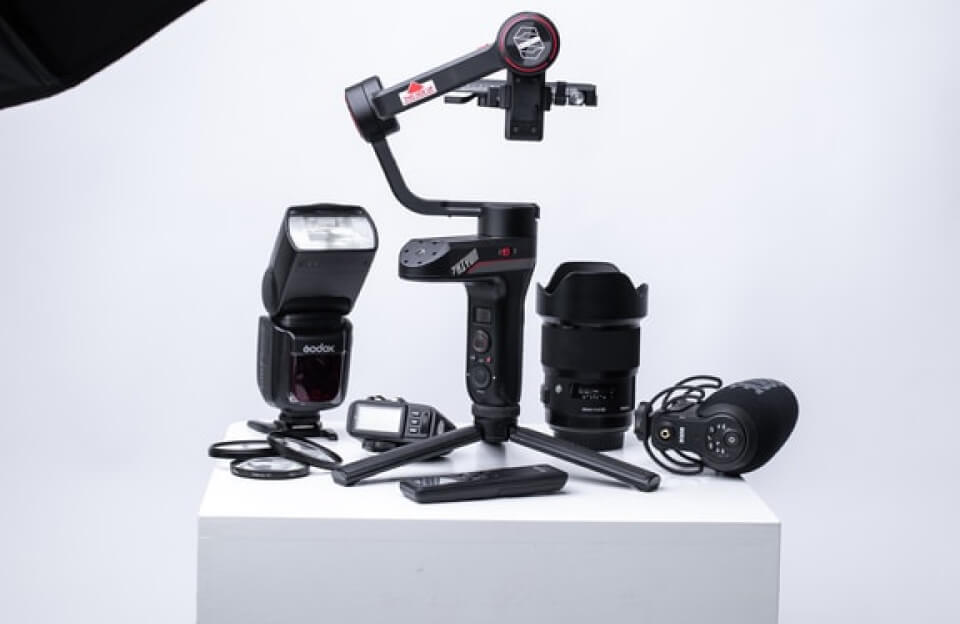
Gear You Need (Without Overcomplicating It)
You don’t need expensive equipment to start. But the right tools help.
Camera
- DSLR or mirrorless for control
- Smartphones with macro mode can also work
Lens
- Macro lens (ideal for close detail)
- Telephoto lens (helps avoid disturbing subjects)
Accessories
- Tripod (optional but useful)
- Diffuser for soft light
Macro lenses work best because they reveal fine details—like pollen grains sticking to tiny hairs.
Camera Settings for Sharp Pollinator Shots
Pollinators move fast. Your settings need to keep up.
1. Shutter Speed
Use at least 1/1000s for flying insects.
2. Aperture
Set between f/5.6 and f/11. This keeps enough of the subject in focus.
3. ISO
Adjust based on light. Start low (ISO 100–400) and increase if needed.
4. Focus Mode
Use continuous autofocus (AF-C). It tracks movement better.
These settings give you a strong starting point. Adjust based on conditions.
Timing: The Secret Ingredient
Great pollinator photos depend on timing more than gear.
Best time of day:
- Early morning: insects move slower
- Late afternoon: softer light
Cooler temperatures reduce insect activity, making them easier to photograph.
Avoid midday when harsh sunlight creates strong shadows and overexposure.
How to Capture Pollen in Motion
This is where things get interesting.
You don’t just want the insect—you want the interaction.
Look for these moments:
- A bee brushing against anthers
- Pollen visibly collecting on legs
- Dust particles floating in light
Backlighting works well here. Position the sun behind your subject to highlight pollen grains in the air.
It creates a glowing, almost magical effect—without any editing tricks.
Composition Tips That Actually Work
Good composition turns a technical photo into a compelling one.
Keep it simple
Avoid cluttered backgrounds. A clean frame highlights the subject.
Use contrast
Bright flowers + dark insects (or vice versa) create visual impact.
Focus on the eyes
Even in insect photography, sharp eyes make a difference.
Try different angles
Shoot from the side, above, or even below. Each angle tells a different story.
Ethical Photography: Don’t Disturb the Process
Respect the environment while shooting.
- Don’t touch or move insects
- Avoid damaging flowers
- Stay patient instead of forcing shots
Organizations like the National Geographic Society emphasize ethical wildlife photography to protect ecosystems.
Your goal is to document—not disrupt.
Common Mistakes to Avoid
Even experienced photographers slip up.
1. Using slow shutter speed
Result: blurry insects
2. Ignoring light direction
Result: flat or harsh images
3. Getting too close too fast
Result: insects fly away
4. Over-editing
Result: unnatural colors and lost detail
Keep things natural. Pollination already looks incredible—no need to exaggerate it.
Editing: Keep It Real
Editing should enhance, not replace reality.
Adjust:
- Exposure
- Contrast
- Sharpness
Avoid:
- Oversaturation
- Heavy filters
Scientific accuracy matters, especially if you share images for educational purposes.
Why This Type of Photography Matters
Pollinator populations face real challenges.
According to reports supported by the Intergovernmental Science-Policy Platform on Biodiversity and Ecosystem Services, many pollinator species show signs of decline due to habitat loss, pesticides, and climate change.
Photography can:
- Raise awareness
- Support research
- Inspire conservation
Your images can tell stories that data alone cannot.
Turning Practice Into Skill
Start simple:
- Photograph common garden insects
- Practice focus and timing
- Experiment with light
Over time, your results improve.
You don’t need perfect conditions. You need consistency.
Final Thoughts
Pollination may look subtle, but it drives life on Earth.
When you photograph it, you capture more than an insect on a flower. You capture a process that supports ecosystems, agriculture, and biodiversity.
Focus on the details. Respect the subject. Use light wisely.
And remember—sometimes the smallest particles, that quiet “dust,” tell the biggest stories.