Introduction
You drop a glass. It shatters. You sigh, grab a broom, and add “buy new glasses” to your to-do list. That’s how it has always worked.
But that routine may not last forever.
3D printing—once a niche technology for engineers and hobbyists—has started to reshape how we create everyday objects. From medical implants to custom shoes, the possibilities keep expanding. Now, researchers and manufacturers are exploring something surprisingly simple yet revolutionary: 3D-printed glass.
Yes, real glass.
Imagine breaking a glass and printing a replacement at home the same day. No trip to the store. No waiting for delivery. Just press “print.”
It sounds futuristic, but it’s closer than you might think.
What Is 3D Printing, Really?
Before we dive into glass, let’s get one thing straight.
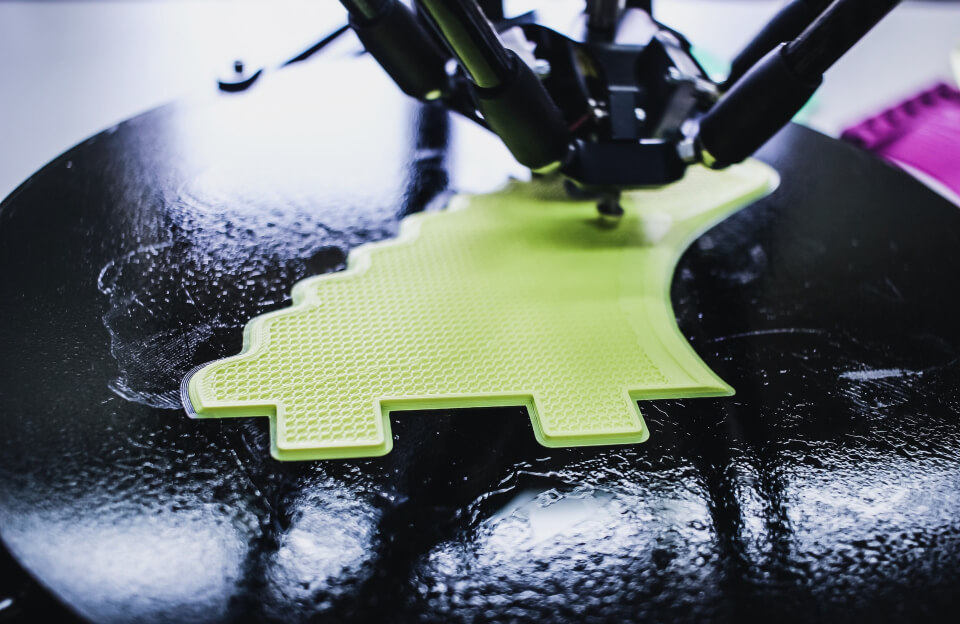
3D printing, also called additive manufacturing, builds objects layer by layer. Traditional manufacturing cuts material away. 3D printing does the opposite—it adds material only where needed.
This approach reduces waste and allows for complex designs that would be difficult or impossible to make using traditional methods.
Most people associate 3D printing with plastic. That’s fair—plastics like PLA and ABS dominate consumer printers. But the technology has moved far beyond that.
Today, we can print with:
- Metals (like titanium and steel)
- Ceramics
- Concrete
- Biological materials (in experimental settings)
And now—glass.
Why Printing Glass Is So Hard
Glass looks simple, but it behaves in complicated ways.
To shape glass, you need extreme heat—often above 1,000°C. At those temperatures, the material becomes molten and workable. Once it cools, it becomes rigid and fragile.
That creates several challenges for 3D printing:
1. Temperature Control
Glass must stay hot during printing. If it cools too quickly, it cracks. Maintaining consistent heat across layers is difficult.
2. Material Flow
Molten glass behaves differently from plastic or metal. It flows like honey—slow and sticky. That makes precise control tricky.
3. Structural Integrity
Each new layer must bond perfectly with the previous one. If not, the final object weakens.
Because of these challenges, printing glass requires specialized equipment—not the kind you’ll find in a typical home setup (yet).
How Scientists Are Solving the Problem
Researchers have already made impressive progress.
Teams at institutions like MIT have developed systems that extrude molten glass through high-temperature nozzles. These machines operate inside controlled environments to manage heat and prevent defects.
One notable approach uses a kiln-like chamber. The printer deposits molten glass layer by layer, while the entire structure stays at a carefully controlled temperature.
Another method involves printing glass powders mixed with binders. After printing, the object undergoes a heating process (called sintering) to fuse the particles into solid glass.
Both techniques show promise, but they serve different purposes.
Real-World Applications of 3D-Printed Glass
This technology isn’t just about replacing your favorite drinking glass—though that’s a fun idea. It has serious applications across industries.
1. Custom Optics
Glass plays a key role in lenses, microscopes, and scientific instruments.
3D printing allows for precise, custom shapes that traditional manufacturing struggles to produce. This could improve everything from cameras to medical imaging devices.
2. Architecture and Design
Designers love glass for its transparency and elegance. With 3D printing, they can create intricate patterns and structures that were previously impossible.
Think curved panels, artistic installations, or even entire facades.
3. Medical Technology
Glass appears in lab equipment, microfluidic devices, and certain implants. Customization matters here—and 3D printing delivers it.
4. Sustainable Manufacturing
3D printing reduces material waste. It also opens the door to local production, which cuts down on shipping emissions.
In a world focused on sustainability, that’s a big deal.
Can You Really 3D-Print a Glass at Home?
Short answer: not yet.
Consumer 3D printers can’t handle the temperatures required for glass. They also lack the precision and safety features needed for molten materials.
But progress moves fast.
A decade ago, even plastic 3D printing seemed out of reach for most households. Today, affordable printers sit on desks around the world.
Glass printing could follow a similar path.
Researchers are already exploring lower-temperature alternatives, such as glass-like materials or composites that mimic glass properties.
So while you won’t print a wine glass tonight, the idea no longer feels impossible.
The Role of Big Tech and Industry
Large companies and research labs drive much of this innovation.
They invest in:
- Advanced materials research
- High-temperature printing systems
- Scalable manufacturing techniques
Industries like aerospace, healthcare, and construction have strong incentives to adopt glass printing.
Why? Because it offers precision, customization, and efficiency—all things businesses value.
As demand grows, costs will likely drop. That’s how most technologies evolve.
Environmental Impact: A Hidden Advantage
Let’s talk about something practical—waste.
Traditional glass manufacturing involves melting large batches and cutting them down to size. That process wastes material and energy.
3D printing changes the equation.
It uses only the material needed for each object. That reduces waste. It also allows for on-demand production, which lowers inventory and transportation costs.
Recycling could improve as well. In theory, old glass could be processed into printable material, creating a more circular system.
That’s not fully realized yet, but the potential exists.
Limitations You Should Know
Let’s keep things realistic.
3D-printed glass still faces several hurdles:
1. Cost
The equipment is expensive. High-temperature systems don’t come cheap.
2. Speed
Printing glass takes time. It’s slower than mass production methods used in factories.
3. Surface Finish
Printed glass may require post-processing to achieve the smooth finish we expect.
4. Accessibility
The technology remains limited to research labs and specialized facilities.
These challenges won’t disappear overnight. But they’re not permanent either.
What the Future Might Look Like
Now for the fun part.
Picture this:
You break a glass in your kitchen. Instead of heading to a store, you open a design app. You select a model—or tweak one to your liking. Maybe you add a pattern or adjust the size.
Then you hit “print.”
A few hours later, your new glass is ready.
It sounds like science fiction, but many experts believe distributed manufacturing—where products are made locally or at home—will grow in the coming decades.
3D printing sits at the center of that shift.
Glass could become just another material in the mix.
Why This Matters More Than You Think
At first glance, printing a glass may seem trivial.
But it represents something bigger.
It shows how manufacturing is changing—from centralized factories to flexible, localized production. It highlights how technology can turn everyday problems into solvable ones.
And it reminds us that innovation often starts with small, relatable ideas.
After all, everyone has broken a glass at some point.
Final Thoughts
3D-printed glass isn’t ready for your kitchen just yet. The technology still needs refinement, cost reduction, and wider adoption.
But the progress is real.
Researchers continue to push boundaries. Industries are paying attention. And the idea of printing everyday objects grows more practical each year.
So the next time you drop a glass and watch it shatter, don’t just think about the mess.
Think about the future—where replacing it might be as easy as pressing “print.”
And maybe, just maybe, you’ll stop blaming gravity for your clumsiness.
0 Comments