How a Gadget Drives Human Creativity
We often think creativity comes from inside the human mind alone—some mysterious spark of inspiration. But in reality, creativity rarely works in isolation.
It interacts with tools.
From paintbrushes to smartphones, gadgets have always shaped how humans think, create, and solve problems. In fact, many breakthroughs in art, science, and technology exist because someone used a tool in a new way.
So the question isn’t just “Are humans creative?”
It’s also “How do gadgets shape that creativity?”
Let’s explore.
Gadgets as Extensions of the Mind
Modern psychology often describes tools as extensions of human cognition.
When you use a gadget, you don’t just perform a task—you expand your thinking capacity.
For example:
- A calculator removes mental math load
- A camera frees memory from visual details
- A laptop accelerates idea execution
Each tool reduces friction between idea and action.
The result? More space for creativity.
Even simple devices like smartphones combine multiple functions that once required separate tools. That consolidation changes how we think and work.
Smartphones: The Modern Creative Studio
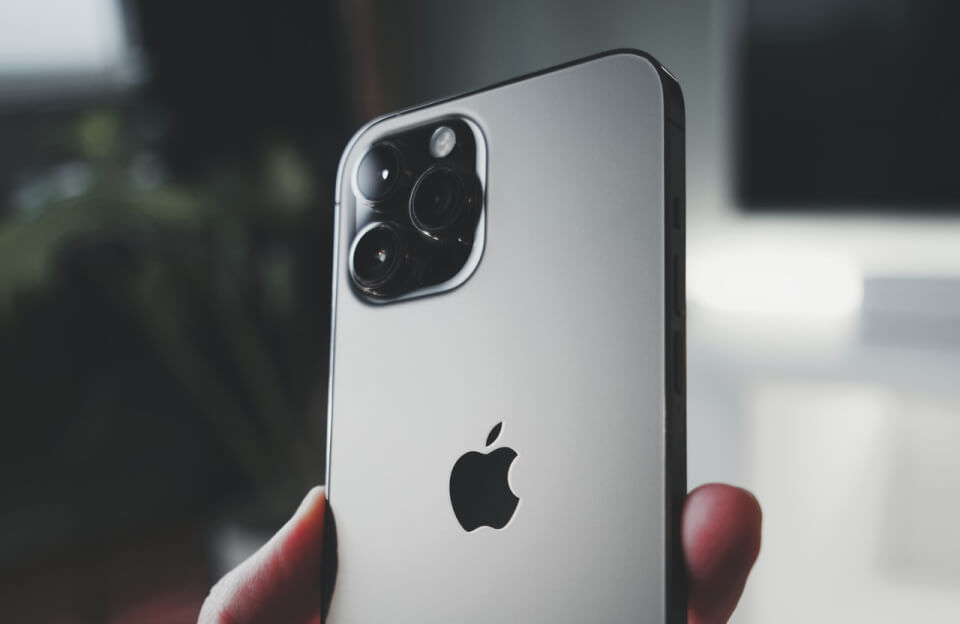
Today’s smartphones are not just communication devices—they are portable creative ecosystems.
A single device can:
- Capture photos and videos
- Edit content
- Write and publish ideas
- Access global inspiration instantly
This accessibility changes creative behavior.
Instead of waiting for perfect conditions, creators now experiment in real time. A moment of inspiration can be captured, edited, and shared within minutes.
That speed matters.
Because creativity often depends on timing more than talent.
AI and the New Creative Partner
Artificial intelligence has added a new layer to the creative process.
Tools like generative design software and writing assistants don’t replace creativity—they influence it.
They help users:
- Generate ideas faster
- Explore variations
- Overcome creative blocks
Think of AI as a brainstorming partner that never gets tired.
However, the final creative direction still comes from humans. AI suggests possibilities, but humans choose meaning.
This partnership is reshaping industries like:
- Graphic design
- Music production
- Content creation
- Product innovation
How Gadgets Reduce Creative Barriers
Creativity often struggles against one major obstacle: friction.
Friction includes:
- Lack of tools
- Time limitations
- Technical complexity
Gadgets reduce these barriers.
For example:
- Video editing apps simplify filmmaking
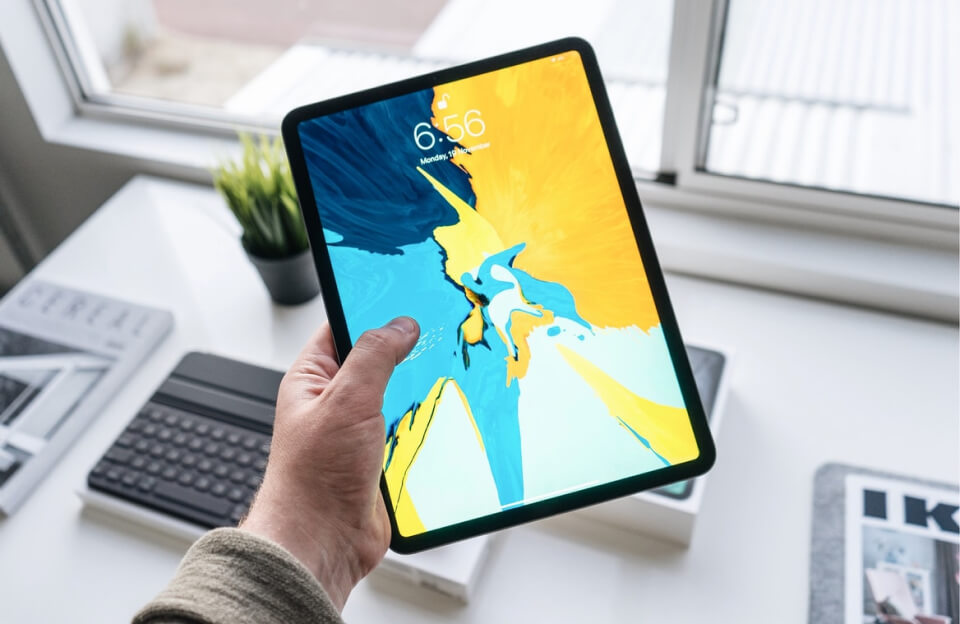
- Digital drawing tablets remove physical limitations
- Cloud tools enable collaboration anywhere
When barriers drop, experimentation increases.
And experimentation is the foundation of creativity.
The Psychology Behind Creative Tools
According to cognitive science, tools influence how the brain organizes tasks.
When you use a gadget repeatedly:
- Your brain adapts to its structure
- You start thinking within its possibilities
- You develop new problem-solving patterns
This is called distributed cognition—where thinking spreads between mind and tool.
It explains why musicians think differently when using digital audio workstations compared to traditional instruments.
The tool doesn’t just help creativity. It reshapes it.
When Gadgets Expand Imagination
Some gadgets don’t just assist creativity—they expand imagination itself.
For example:
- VR headsets simulate entire worlds
- 3D printers turn ideas into physical objects
- Simulation software tests concepts before they exist
These tools allow creators to explore ideas that would be impossible or too expensive in the physical world.
That’s a major shift.
Instead of imagining constraints, creators now explore possibilities first.
The Risk: Too Much Dependence on Tools
Not all effects are positive.
Over-reliance on gadgets can:
- Reduce original thinking
- Encourage template-based creation
- Limit deep problem-solving
When tools become too dominant, creativity can become reactive instead of original.
For example:
- Auto-suggestions may influence writing style
- Filters may replace visual experimentation
- Templates may standardize design thinking
Balance is key.
Gadgets should support creativity—not define it.
Real-World Example: Creative Speed vs Creative Depth
Modern creators often face a trade-off:
- Speed of production
- Depth of thinking
Gadgets increase speed dramatically.
But depth still requires:
- Reflection
- Iteration
- Time away from tools
The most effective creators switch between both modes:
- Fast creation using gadgets
- Slow thinking without them
This balance produces stronger outcomes.
Collaboration Made Easy
Gadgets also transform creativity into a shared process.
Cloud platforms allow:
- Real-time editing
- Global collaboration
- Instant feedback loops
A designer in one country can work with a developer in another within seconds.
This changes creativity from an individual act into a networked experience.
And when ideas collide across cultures, innovation grows faster.
Why Gadgets Feel “Invisible” in Creativity
The more natural a tool becomes, the less we notice it.
For example:
- We don’t think about typing when writing
- We don’t think about camera mechanics when taking photos
- We don’t think about software layers when editing videos
At this stage, the gadget disappears into the background.
All that remains is the idea.
That’s when true creative flow happens.
The Future: Creativity + Intelligent Tools
As technology evolves, gadgets will become even more integrated into human thinking.
Future tools may:
- Predict creative direction
- Suggest real-time improvements
- Adapt to individual thinking styles
But the core principle will remain the same:
Tools will amplify creativity—not replace it.
Final Thoughts
Gadgets don’t create ideas on their own. Humans do.
But gadgets change how those ideas form, evolve, and reach the world.
They:
- Remove friction
- Expand imagination
- Speed up execution
- Enable collaboration
At the same time, they challenge creators to stay original in a world full of automated suggestions and ready-made solutions.
So the real question isn’t whether gadgets drive creativity.
They do.
The real question is:
Are we using them to think more deeply—or just to create faster?
Because the most powerful creativity happens when technology supports human imagination, not when it replaces it.

Related Posts

Dogs Do Their Duty for Science

An IoT Failure Worst Nightmare