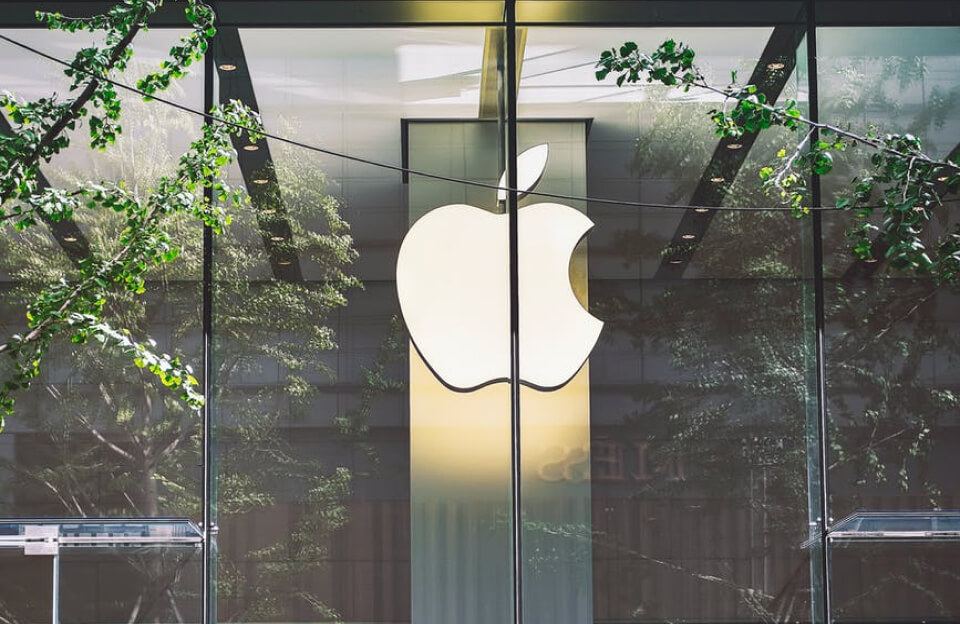
Apple has once again expanded its footprint in China by opening a new flagship-style megastore, signaling its continued commitment to one of its most important global markets.
At the same time, the move has drawn political attention in the United States, including criticism from former U.S. Attorney General William Barr, who has previously raised concerns about American tech companies’ deepening ties with China.
This combination of corporate expansion and political tension highlights a long-running debate: how far should global companies go in balancing business growth with geopolitical pressure?
Apple’s Strong Retail Push in China
China remains one of Apple’s largest markets outside the United States.
The company has steadily expanded its retail presence in major Chinese cities, often opening high-profile stores in premium shopping districts.
A recent example includes flagship openings in cities like Shanghai, where Apple stores routinely attract large crowds and long queues during launch events.
These stores are not just retail spaces. Apple uses them as:
- Brand experience centers
- Service hubs
- Marketing landmarks in major urban areas
Even amid economic slowdowns and rising competition from Chinese brands, Apple continues to invest in physical retail expansion.
Why China Matters So Much to Apple
Apple’s relationship with China is not just about selling iPhones.
China plays three major roles:
1. Huge Consumer Market
Hundreds of millions of smartphone users make China a critical revenue source.
2. Manufacturing Hub
Much of Apple’s global supply chain depends on Chinese factories and assembly partners.
3. Retail Expansion Zone
Apple Stores in China act as brand anchors in competitive tech cities.
This interconnected relationship means that any expansion—like a megastore opening—carries both economic and political significance.
Why William Barr Criticized Big Tech’s China Strategy
Criticism from William Barr and other U.S. policymakers generally focuses on three concerns:
1. National Security Risks
Officials worry that heavy reliance on Chinese manufacturing could create strategic vulnerabilities.
2. Data and Influence Concerns
There are fears that foreign governments may gain leverage over companies operating heavily within their borders.
3. Economic Dependency
Some critics argue that U.S. companies may become too dependent on China’s supply chains and market access.
Barr, during his tenure, was part of a broader political conversation questioning how American tech giants manage their China operations.
Apple’s Balancing Act: Business vs Politics
Apple’s position is complicated.
On one hand:
- China is a major revenue driver
- Manufacturing efficiency is unmatched
- Retail expansion strengthens brand visibility
On the other hand:
- Political pressure in the U.S. continues
- Supply chain dependency raises risk concerns
- Regulatory challenges exist in China itself
This creates a constant balancing act between growth and scrutiny.
China’s Importance Has Not Declined
Despite tensions, Apple has not slowed its China strategy.
In fact, recent reports show:
- Continued store openings in major cities
- Ongoing investment in retail infrastructure
- Efforts to maintain stable supply chains
Even when Apple faced declining sales in certain quarters, it maintained a strong physical presence in the country.
This signals a long-term commitment rather than a short-term strategy.
The Political Debate Around Tech Expansion
The Apple-China relationship reflects a larger global debate:
- Should companies prioritize global markets or national alignment?
- Can businesses remain neutral in geopolitical tensions?
- How much dependency is too much dependency?
These questions don’t have simple answers.
Technology companies operate globally, but political frameworks remain national.
That gap creates friction.
Apple’s Strategy: Stability Through Presence
Apple’s retail strategy in China serves a clear purpose:
- Maintain brand trust
- Support ecosystem users
- Strengthen long-term customer loyalty
Even during political criticism, physical stores act as stable anchors in uncertain environments.
Apple has followed a consistent approach:
stay present, stay visible, and stay integrated in key markets.
The Bigger Picture: Global Tech in a Divided World
The situation involving Apple, China, and U.S. political figures like William Barr reflects a broader trend.
Global tech companies now operate in:
- Competing political systems
- Fragmented regulatory environments
- Increasing economic nationalism
This makes every major expansion decision more than just a business move—it becomes a geopolitical signal.
Final Thoughts
Apple’s opening of another megastore in China is not just a retail event.
It represents:
- Economic ambition
- Supply chain reality
- Political tension
- Global interdependence
Criticism from U.S. officials like William Barr highlights ongoing concerns about how deeply American companies should engage with China.
But Apple’s actions also show something equally important: global markets are deeply connected, and stepping away is not simple.
In the end, this isn’t just about one store.
It’s about how modern technology companies navigate a world where business growth and geopolitics are increasingly impossible to separate.
0 Comments